
President Paudel Hails Gyalpo Lhosar for Fostering Harmony and National Unity
As Nepali Tamang community celebrates Gyalpo Lhosar today, President Ramchandra Paudel emphasized festivals' role in building fraternity and tolerance across diverse groups. Wishes pour in for peace and prosperity. #GyalpoLhosar #NepalFestivals #NationalUnity
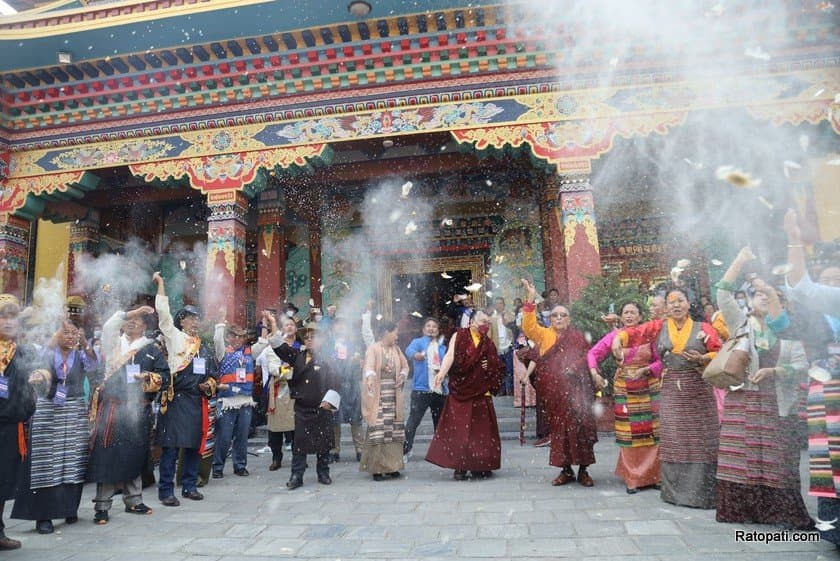
KATHMANDU, February 18, 2026 — President Ramchandra Paudel today extended heartfelt best wishes to the Tamang community and all Nepalis on the occasion of Gyalpo Lhosar, the traditional New Year festival of the Tamang people, underscoring its vital role in promoting harmony, fraternity, tolerance, and socio-cultural solidarity across Nepal's diverse ethnic landscape.
In his official message, President Paudel described festivals like Gyalpo Lhosar as powerful bridges that strengthen goodwill among communities, ultimately reinforcing national unity in a country blessed with extraordinary geographical, linguistic, and cultural diversity. He expressed hope that the celebrations would inspire citizens—both at home and in the diaspora—to contribute actively to nation-building efforts during this pivotal pre-election period.
Vice Chairperson of the National Assembly Bimala Ghimire and other dignitaries echoed similar sentiments, calling on Nepalis to embrace the festival's spirit of renewal and mutual respect amid ongoing national challenges, including political transitions and economic recovery.
Gyalpo Lhosar, also known as the King's New Year, is celebrated primarily by the Tamang, Gurung, and related Buddhist communities in the mountainous and mid-hill regions. It marks the lunar New Year according to the Tibetan calendar, typically falling in February or March. Traditions include family gatherings, traditional dances (such as the damphu dance), feasts featuring sel roti and other delicacies, religious rituals at monasteries, and community events that emphasize gratitude, renewal, and social bonds.
This year's observance carries added significance. Nepal's multi-ethnic fabric has been tested by recent political upheavals, including the Gen Z protests of September 2025 that highlighted generational and regional divides. Festivals provide moments of collective joy and reflection, helping to mend social ties and remind citizens of shared heritage.
In mountainous areas like Rasuwa, Nuwakot, and Dhading—home to large Tamang populations—celebrations include colorful processions, mask dances, and prayers for prosperity. Urban centers like Kathmandu see community events in Boudha and other Buddhist hubs, blending tradition with modern elements.
President Paudel's message aligns with broader governmental efforts to promote cultural heritage as a tool for unity. Nepal's constitution recognizes over 120 ethnic groups and languages, and leaders frequently highlight festivals to counter divisive narratives.
As the country approaches the March 5 House of Representatives elections, such cultural observances offer a counterbalance to political polarization, reminding citizens that shared traditions endure beyond partisan differences.
Gyalpo Lhosar celebrations are expected to continue for several days, with many communities organizing special programs to welcome the New Year with optimism for peace, economic progress, and inclusive development.
Sources: Radio Nepal Online, The Rising Nepal, Nepal News.
About the Author

Routine of Sunsari
Author


Comments (0)
Please login to leave a comment
No comments yet. Be the first to comment!