
Digital Divide Deepens: Least Developed Countries Left Behind in Global Digital Economy Boom
UN report reveals least developed countries account for only 0.16% of global digital services trade despite sector's explosive growth. 2.6 billion people remain offline as digital economy reaches $5 trillion. Widening gap threatens development goals and economic opportunities. #DigitalDivide #Development #GlobalTrade
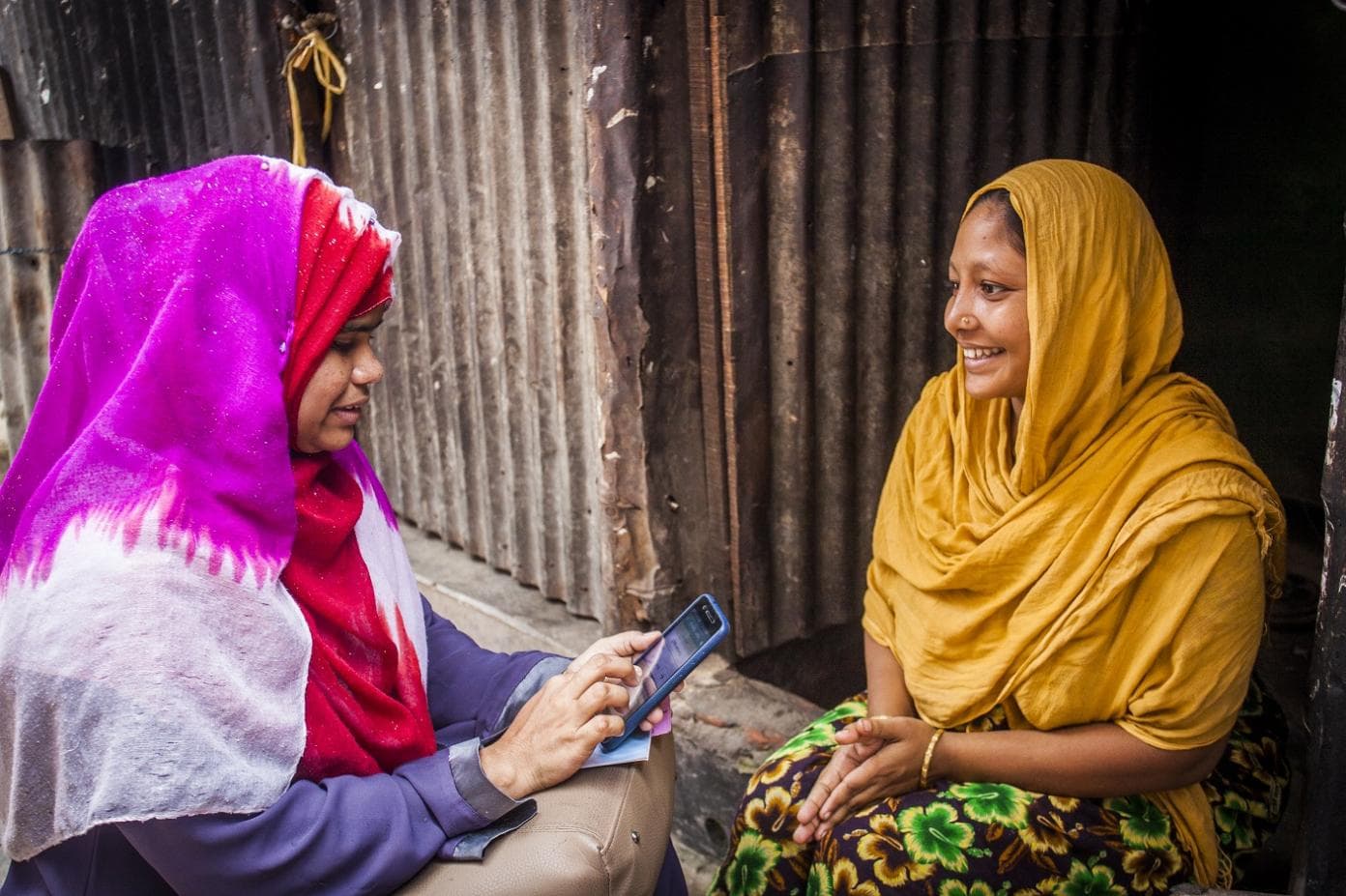
Digital Divide Deepens: Least Developed Countries Left Behind in Global Digital Economy Boom
UNCTAD warns of widening inequality as developing nations become 'mere providers of raw data' while digital giants dominate
GENEVA - A troubling new picture of global inequality has emerged from the latest UN Trade and Development (UNCTAD) data, revealing that the world's least developed countries are being systematically excluded from the booming digital services sector despite its emergence as the fastest-growing component of global trade.
The Stark Reality
Digital services including consulting, e-learning, telemedicine, and cryptocurrency-related activities now account for 62 percent of all services sold globally in 2023. However, least developed countries (LDCs) captured just 0.16 percent of global trade in digital services in 2024—the lowest share since data collection began in 2010.
This represents a paradoxical situation where the digital economy appears vibrant in these countries at street level, with widespread adoption of mobile phones and enthusiasm for online commerce, yet their participation in the formal digital economy continues to shrink.
"Everybody's trading online. People are getting into cryptocurrencies. So, you feel as if there is real dynamism and growth and depth in the digitally-driven services segments of the services sector. That's the feeling you kind of get, that's the vibe you kind of get," explained Junior Davis, UNCTAD's Director ad interim for Africa. "But what the data shows actually is that the digital divide is actually widening and that the proportion of exports LDCs and the services sector can deliver as a share of the global services market is actually diminishing over time."
The Numbers Paint a Grim Picture
Currently, 2.6 billion people worldwide remain offline, with the digital gap particularly acute in specific regions. Only 27 to 36 percent of populations in least developed countries use the Internet, compared to a global average of 63 percent. In developed countries, internet penetration approaches near-universal levels.
The divide extends beyond mere connectivity. Even when infrastructure exists, barriers of affordability, digital literacy, appropriate content, and language accessibility prevent meaningful participation in the digital economy. A person in a high-income country is more than 22 times as likely to be an Internet user than someone in a low-income country.
Concentration of Digital Power
The digital economy has become increasingly concentrated in the hands of a few dominant players from just two countries. Seven "super platforms"—Microsoft, Apple, Amazon, Google, Facebook, Tencent, and Alibaba—account for two-thirds of the total market value of the world's top 70 digital platforms. Nearly 90 percent of the market capitalization of the world's 70 biggest digital platforms comes from companies based in either the United States or China.
This concentration creates what UNCTAD warns is a dangerous dynamic: developing countries risk becoming "mere providers of raw data" while having to pay for the digital intelligence generated using their own data. "Their control of data and capacity to create and capture the ensuing value accentuates concentration and consolidation rather than reducing inequalities between and within countries," the organization stated.
The AI Challenge
The emergence of artificial intelligence has added a new dimension to digital inequality. Currently, fewer than one-third of developing countries have AI strategies in place. The AI market, projected to reach $5 trillion by 2033, is overwhelmingly dominated by companies from advanced economies, leaving developing nations as consumers rather than producers of these transformative technologies.
Developing countries' digital exports amount to approximately $1 trillion in a global market five times that size. Without deliberate intervention, this gap threatens to become permanent, consigning billions of people to economic marginalization in an increasingly digital world.
Trade Implications
Global trade reached a record $35 trillion in 2025, growing by 7 percent, but this growth has been unevenly distributed. While digital services represent the most dynamic segment of global commerce, developing countries are largely shut out from meaningful participation.
South-South trade—commerce between developing countries—has emerged as a partial counterweight, surging from $0.5 trillion in 1995 to $6.8 trillion in 2025. Today, 57 percent of developing-country exports go to other developing economies, up from 38 percent in 1995. However, this growth has been driven largely by traditional manufacturing and commodities rather than high-value digital services.
Infrastructure Deficits
The reasons for exclusion are multifaceted. Many LDCs suffer from inadequate digital infrastructure, including unreliable electricity supply, limited telecommunications networks, and insufficient water and sanitation systems that underpin modern data centers and digital facilities.
International bandwidth use remains geographically concentrated along two main routes: North America to Europe and North America to China. Sub-Saharan Africa, remote island states, and landlocked countries face particular challenges in accessing high-speed connectivity.
Regulatory and Capacity Gaps
Governments in many developing countries lack the technical expertise to create appropriate regulatory frameworks for the digital economy. "The shortage of appropriate skill sets in governments can result in insufficient representation of technical and analytical expertise in legislative and regulatory framework development processes," noted Torbjörn Fredriksson, who leads UNCTAD's e-commerce and digital economy branch.
This expertise deficit hampers countries' ability to identify opportunities afforded by digital technologies, recognize potential risks and threats, and develop effective regulations. It also contributes to brain drain, as top talent from less-developed countries migrates to opportunities in developed nations.
Environmental Concerns
The environmental footprint of digital growth has emerged as an additional concern. The sector's energy-intensive nature raises questions about sustainability, with key issues including depletion of raw materials for digital and low-carbon technologies, rising water and energy consumption, and growing e-waste management challenges.
As developing countries seek to build digital infrastructure, they must balance economic development needs with environmental sustainability—a challenge made more difficult by limited financial resources and technical capacity.
E-Commerce Barriers
While e-commerce represents enormous potential, its benefits remain unevenly distributed. In several developed countries, up to 80 percent of internet users shop online. In many LDCs, fewer than 10 percent do so, despite growing internet penetration.
The barriers are systemic: billions of people lack bank accounts and credit cards; consumer protection laws often don't extend to online purchases; postal and delivery systems remain unreliable; and legal frameworks for digital commerce are underdeveloped or non-existent.
By contrast, in most developed economies, well-functioning postal systems and strong legal frameworks mean online purchases and deliveries proceed seamlessly, creating a virtuous cycle of e-commerce growth.
International Response
UN Secretary-General António Guterres has emphasized the urgency of addressing this divide: "We must work to close the digital divide, where more than half the world has limited or no access to the internet."
Various initiatives are underway to address these challenges. The Broadband Commission for Sustainable Development, led by ITU and UNESCO, has worked toward universal connectivity for over a decade. UNICEF and ITU's Giga Initiative aims to connect every school to the internet, while UNDP supports digital literacy programs and infrastructure development.
The Global Digital Compact, currently under development through the United Nations, seeks to establish frameworks for more equitable digital cooperation. Additionally, the 20-year review of the World Summit on the Information Society provides an opportunity to reassess strategies for digital inclusion.
Climate and Development Stakes
The digital divide carries implications beyond immediate economic concerns. Digital access has become essential for participation in modern education, healthcare, financial services, and civic life. Levels of digitalization may influence whether countries can achieve the Sustainable Development Goals addressing hunger, disease, climate change, and poverty.
As clean-energy technology markets are projected to reach $640 billion annually by 2030, countries without digital capacity risk exclusion from emerging green economy opportunities as well.
Policy Recommendations
UNCTAD and other international organizations have called for:
- Massive investment in basic infrastructure including reliable electricity, telecommunications, and transportation networks
- Development of digital skills and literacy programs targeting both citizens and government officials
- Creation of supportive regulatory environments that protect consumers while enabling innovation
- Technology transfer mechanisms that give developing countries access to cutting-edge digital tools
- Financial assistance to help countries build data centers and digital infrastructure
- Strengthened regional cooperation to share resources and expertise
The Path Forward
UNCTAD's Mukhisa Kituyi has emphasized that "a smart embrace of new technologies, enhanced partnerships and greater intellectual leadership are needed to redefine digital development strategies and the future contours of globalisation."
The organization warns that "if left unaddressed, the yawning gap between the under-connected and the hyper-digitalized countries will widen, and inequalities will be exacerbated."
By 2030, the number of IoT-connected devices is expected to reach 125 billion, compared to 27 billion in 2017. This rapid expansion of digital connectivity is occurring even as half the world's population remains unconnected from the internet, threatening to create a two-tier global society divided by digital access.
The coming years will be critical in determining whether the digital economy becomes a force for reducing global inequality or entrenching it further. Without concerted international action, the prosperity promised by the digital revolution risks remaining the privilege of a fortunate few while billions are left behind.
SOURCES:
- UN Trade and Development (UNCTAD)
- United Nations Development Programme (UNDP)
- UN News
- International Telecommunication Union (ITU)
- UNESCO
- World Bank Development Reports
About the Author

Routine of Sunsari
Author



Comments (0)
Please login to leave a comment
No comments yet. Be the first to comment!