
IMF Concludes 2026 Article IV Consultation with Nepal Economic Agreement
The IMF reached a staff-level agreement on Nepal's final ECF review and 2026 Article IV, projecting modest 3-3.5% growth amid political transition. Low inflation and strong reserves noted, but financial vulnerabilities persist. #NepalEconomy #IMF2026
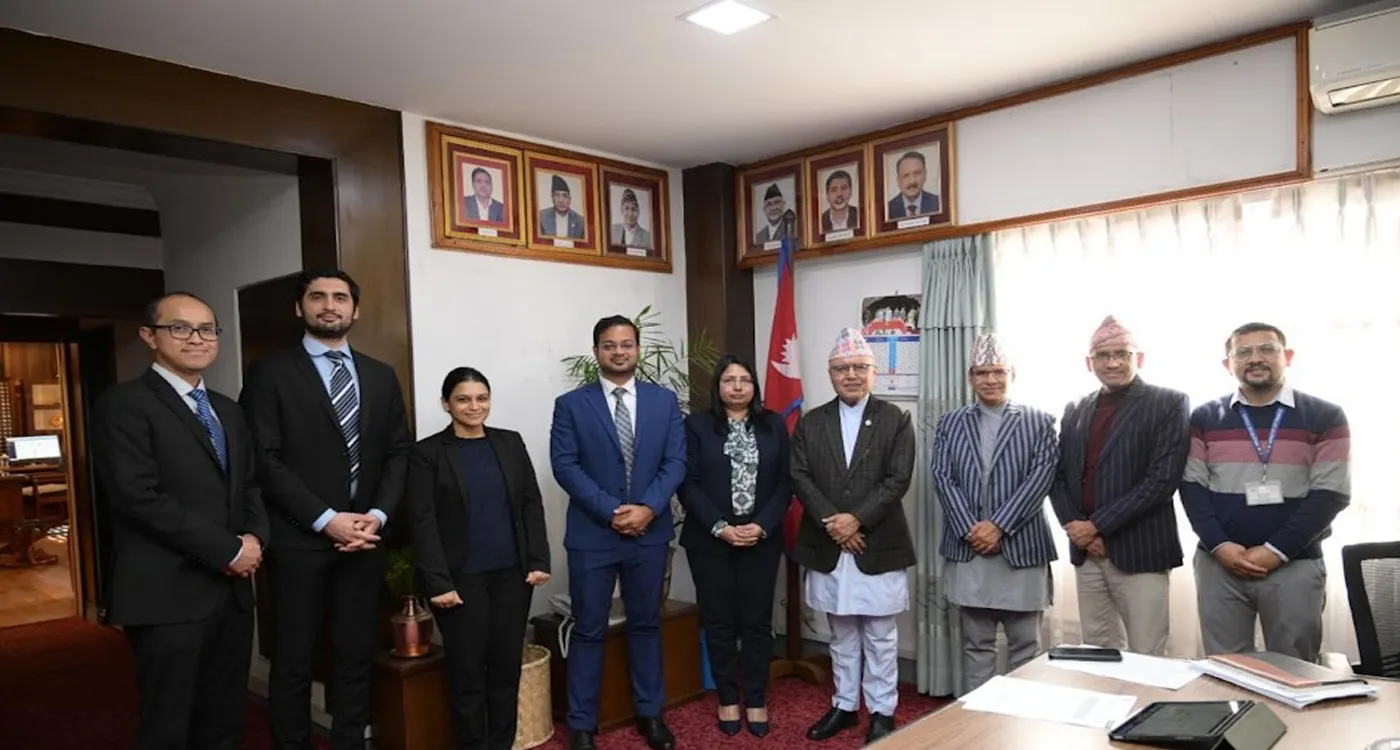
the International Monetary Fund (IMF) announced that its staff had reached a staff-level agreement with the Nepali authorities to conclude the seventh and final review under Nepal's Extended Credit Facility (ECF) arrangement, while simultaneously wrapping up the 2026 Article IV consultation. This development marks the culmination of Nepal's multi-year IMF-supported reform program, originally approved in January 2022 with access equivalent to SDR 282.42 million (approximately US$384.4 million at current rates).
An IMF mission, led by Senior Economist Sarwat Jahan from the Asia and Pacific Department, visited Kathmandu from February 6 to 20, 2026, engaging in intensive discussions with government officials, the Nepal Rastra Bank (NRB), and other stakeholders. The agreement remains subject to final approval by the IMF's Executive Board, expected in the coming weeks. Upon approval, Nepal will gain access to the remaining disbursement of SDR 31.32 million (about US$43.2 million), completing the full program support.
Economic Performance and Projections The IMF highlighted a mixed but resilient economic picture amid ongoing domestic challenges. Real GDP growth for FY2025/26 (which runs from mid-July 2025 to mid-July 2026) is projected at 3 to 3.5 percent, significantly below Nepal's long-term potential. This subdued outlook stems primarily from lingering economic uncertainty, low private sector confidence, protest-related disruptions from the 2025 Gen-Z uprising, and sluggish execution of public capital expenditure projects. These factors have delayed investment decisions and weighed on domestic demand recovery.
Despite the slowdown, key macroeconomic indicators remain stable. Inflation has stayed low, registering 2.4 percent year-on-year in January 2026 (with some reports citing a slight uptick to 2.42 percent mid-month), reflecting subdued demand pressures and favorable supply conditions. The external sector has shown strength, bolstered by robust remittances—a traditional lifeline for Nepal—and resilient tourism receipts. Import growth has remained contained, allowing international reserves to build further and stay well above adequacy thresholds, providing a buffer against external shocks.
Financial Sector Challenges A major focus of the IMF's assessment was the intensifying vulnerabilities in the financial sector. Non-performing loans (NPLs) across the banking and financial institutions rose to 5.4 percent as of January 2026, with expectations of further upward revisions following the completion of the Loan Portfolio Review (LPR). This deterioration could erode banks' capital buffers and heighten risks to financial stability. The IMF noted that the financial health of savings and credit cooperatives (SACCOs) remains particularly challenging, with ongoing governance and operational issues.
In response, the IMF urged continued vigilance and a comprehensive strategy to address these risks. Key recommendations include strengthening bank supervision and regulatory frameworks post-LPR, improving NPL recovery mechanisms (potentially drawing on international best practices such as establishing an asset management company), enhancing asset quality assessments, and aligning regulations more closely with Basel Committee on Banking Supervision (BCBS) guidelines. The Fund also emphasized the importance of advancing amendments to the Nepal Rastra Bank Act to bolster the central bank's autonomy, governance, and supervisory powers—reforms already submitted to Parliament as part of the program.
Notable progress under the review included the adoption of a Customs Compliance Improvement Strategy, completion of onsite inspections under the LPR, and realignment of asset classification rules with international standards.
Outlook and Policy Priorities Looking forward, the IMF expressed cautious optimism that a peaceful and credible election transition—with general elections scheduled for March 5, 2026—could significantly restore business and investor confidence. Such stability would support a pickup in private investment, consumption, and overall domestic demand, accelerating economic recovery in the latter half of FY2026 and beyond. Sustained implementation of structural reforms remains critical to unlocking Nepal's growth potential, enhancing macro-financial resilience, and ensuring inclusive development as the country prepares for its graduation from Least Developed Country (LDC) status later in 2026.
Overall, this final ECF review underscores Nepal's commitment to macroeconomic stability and reform amid a complex political and economic environment. The impending disbursement and policy guidance provide continued international backing as Nepal navigates post-protest recovery, financial sector cleanup, and preparations for a new elected government.
About the Author

Routine of Sunsari
Author
Comments (0)
Please login to leave a comment
No comments yet. Be the first to comment!