Iran Expands Uranium Enrichment Amid Rising Western Pressure
Iran increases uranium enrichment levels as Western powers warn of new sanctions. Nuclear tensions rise across the Middle East. #Iran #NuclearDeal #IAEA
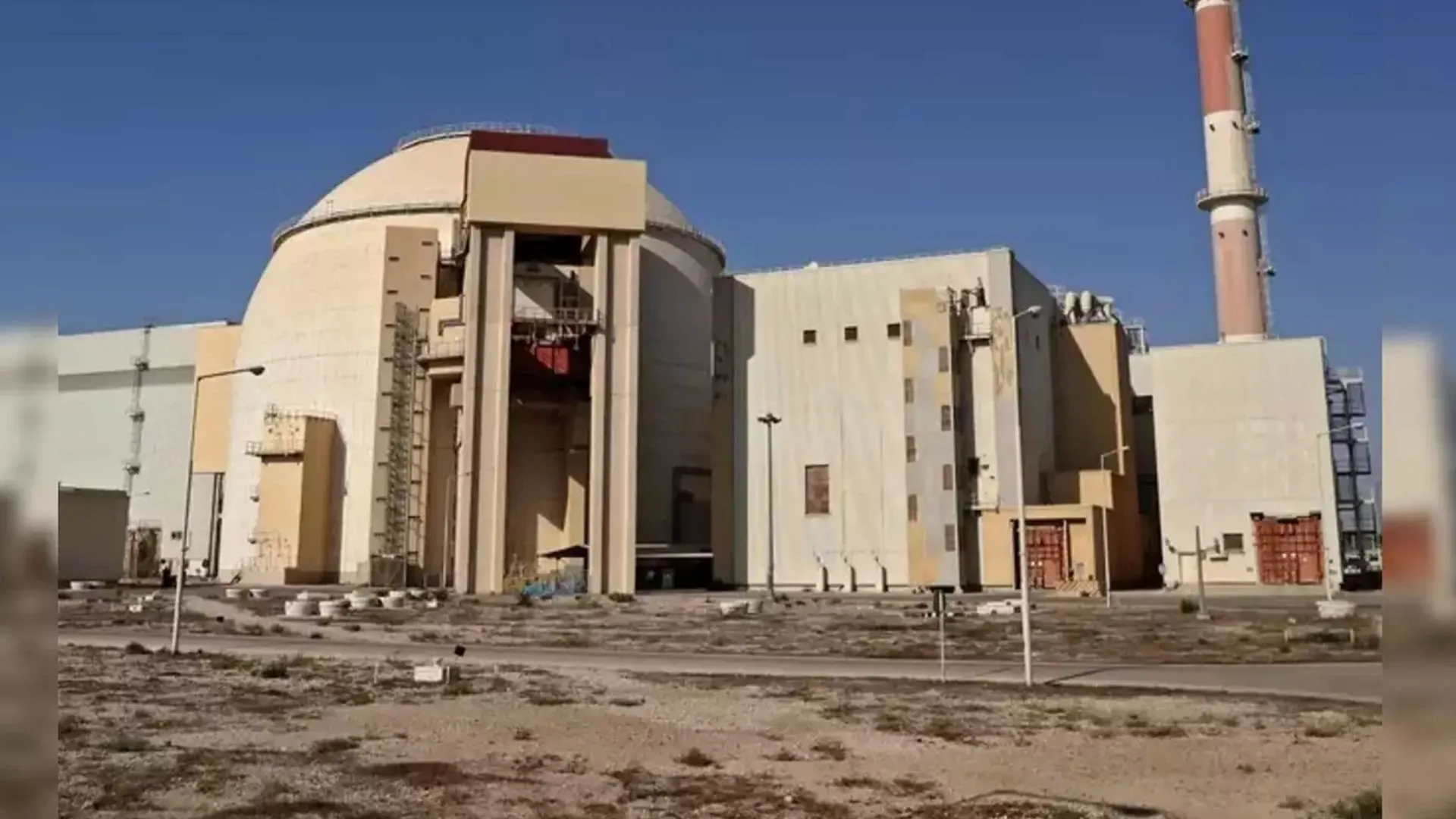
International Atomic Energy Agency has reported a significant expansion in Iran’s uranium enrichment activities, raising fresh international concern over Tehran’s nuclear trajectory. According to the agency’s latest findings, Iran has increased both the level and volume of enriched uranium beyond the limits previously set under the 2015 nuclear deal, formally known as the Joint Comprehensive Plan of Action.
The report states that Iran is enriching uranium to levels much closer to weapons-grade purity than permitted under the agreement. While weapons-grade uranium typically requires enrichment of around 90 percent, the agency has noted enrichment levels far exceeding the 3.67 percent cap outlined in the original deal. This development significantly reduces what experts call Iran’s “breakout time” — the estimated time required to produce enough fissile material for a nuclear weapon, should it choose to do so.
IAEA Report Raises Alarm
The IAEA’s assessment comes at a delicate moment for global diplomacy. Talks aimed at reviving the 2015 agreement have remained stalled for months. The original accord, negotiated between Iran and world powers including the United States, European Union, Russia, China, France, Germany, and the United Kingdom, was designed to limit Iran’s nuclear activities in exchange for sanctions relief. However, the deal began to unravel after the United States withdrew in 2018 and reimposed sweeping economic sanctions on Tehran.
Since then, Iran has gradually scaled back its compliance commitments. The latest IAEA report suggests that the expansion is not only quantitative but also technological. Iran is reportedly installing more advanced centrifuges, machines that spin at high speeds to separate isotopes and increase uranium purity. These advanced models enrich uranium more efficiently than older versions, accelerating the overall process.
Western diplomats have responded with concern. Officials from both Washington and Brussels warn that the continued expansion could undermine regional stability and complicate efforts to return to diplomacy. A European diplomat described the move as pushing Iran “further away from compliance and closer to confrontation.”
Tehran Defends Its Actions
Iranian authorities maintain that their nuclear program remains peaceful and intended for civilian energy production and medical research. Tehran argues that it has the sovereign right to pursue nuclear technology under the Treaty on the Non-Proliferation of Nuclear Weapons. Iranian officials insist that their recent actions are a response to continued economic pressure and unmet promises of sanctions relief.
Iran has repeatedly called for the lifting of U.S. sanctions as a precondition for scaling back enrichment activities. Government representatives claim that Western nations failed to uphold their commitments after the original deal collapsed, forcing Iran to reassess its obligations.
Potential Consequences
The United States has signaled that additional economic sanctions may be imposed if Iran continues expanding its enrichment program. European leaders have also hinted at the possibility of diplomatic censure or coordinated economic measures. At the same time, many analysts warn that escalating pressure could further harden positions on both sides, making compromise more difficult.
Regional powers are closely monitoring the situation. Countries across the Middle East have expressed concern about the potential for increased tensions, particularly given existing conflicts and geopolitical rivalries in the region. Any significant shift in Iran’s nuclear capabilities could influence military planning, alliance structures, and energy markets.
Energy analysts note that renewed tensions could also affect global oil prices, especially if sanctions intensify or if instability spreads across key shipping routes. The broader geopolitical environment remains fragile, and developments in Iran’s nuclear program could have ripple effects beyond the region.
What Comes Next
Diplomatic channels remain open, but time is increasingly limited. Negotiators face the challenge of rebuilding trust while addressing technical concerns raised by the IAEA’s findings. The coming weeks are expected to be decisive in determining whether talks can be revived or whether a new phase of confrontation will begin.
For now, the international community watches closely as Iran’s nuclear activities evolve. The balance between diplomacy and escalation hangs in the balance, with significant implications for regional security, global markets, and the future of nuclear non-proliferation efforts.
#Iran #IAEA #NuclearDeal #JCPOA #MiddleEast #USIran #Geopolitics #Sanctions #UraniumEnrichment #GlobalSecurity
About the Author

Routine of Sunsari
Author
Comments (0)
Please login to leave a comment
No comments yet. Be the first to comment!