
PM Sushila Karki Reaffirms Nepal's Human Rights Commitment at UN Council
Interim Prime Minister Sushila Karki addressed the 61st UN Human Rights Council session, pledging transparent transitional justice and institutional reforms. Nepal vows to uphold UN principles amid post-Gen-Z protest recovery. #HumanRightsNepal #TransitionalJustice
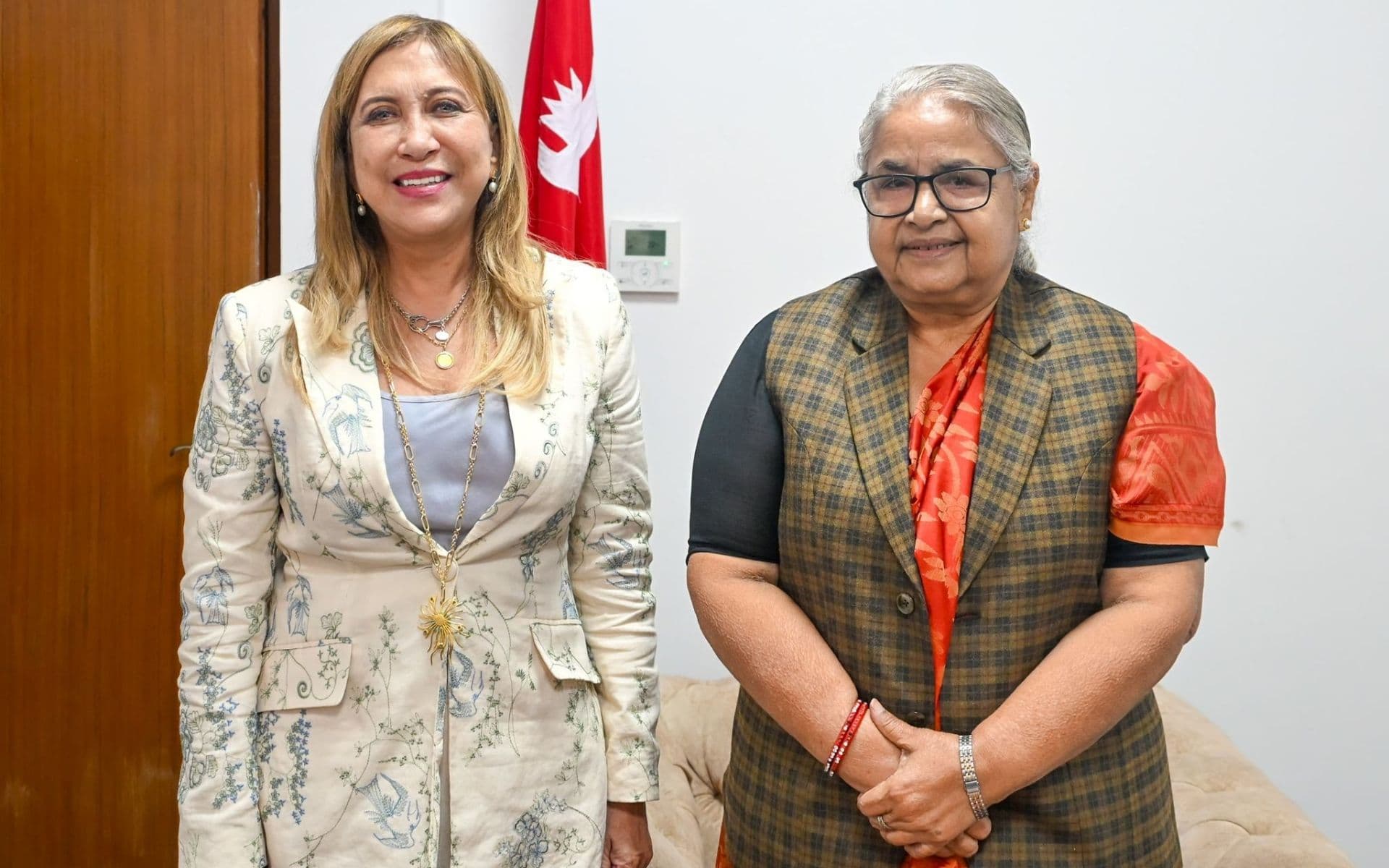
Interim Prime Minister Sushila Karki delivered a compelling video address to the High-Level Segment of the 61st Session of the United Nations Human Rights Council in Geneva, Switzerland. As Nepal's first female prime minister and a former chief justice of the Supreme Court, Karki used the platform to strongly reaffirm the country's unwavering commitment to upholding and advancing human rights. She highlighted Nepal's ongoing efforts through comprehensive policy reforms, robust legal frameworks, and strengthened institutional mechanisms—all firmly aligned with the foundational principles of the UN Charter.
In her speech, Prime Minister Karki placed particular emphasis on Nepal's resolve to bring the long-standing transitional justice process to a successful conclusion. She stressed that this must be done in a manner that is transparent, inclusive, credible, and fundamentally victim-centered. This commitment carries heightened significance in the wake of the September 2025 Gen-Z protests, a nationwide youth-led uprising that exposed deep-seated grievances over corruption, censorship, inequality, and unaccountable governance. The protests, which began against a controversial social media ban and escalated into widespread unrest, resulted in at least 76 deaths—many attributed to unlawful use of force by security personnel—and forced the resignation of then-Prime Minister K.P. Sharma Oli on September 9, 2025. Karki's interim administration was appointed shortly thereafter on September 12, 2025, with a clear mandate to stabilize the country, investigate the violence, and prepare for credible elections.
The transitional justice process, originally established following the 2006 Comprehensive Peace Agreement that ended Nepal's decade-long Maoist insurgency (1996–2006), has faced repeated delays, political interference, and criticism for failing to deliver accountability for enforced disappearances, extrajudicial killings, and other serious violations. Recent amendments to the relevant laws in 2024 removed some amnesty provisions and were seen by some victims' groups as a step forward, though challenges persist with commissioner appointments and implementation. Karki's address signaled the interim government's intent to prioritize victim voices and international standards, potentially revitalizing stalled commissions like the Truth and Reconciliation Commission and the Commission of Investigation on Enforced Disappeared Persons.
The timing of Karki's remarks is especially poignant as Nepal approaches its general elections on March 5, 2026—the first national vote since the Gen-Z uprising. The interim government continues to face intense domestic and international pressure to release key inquiry reports, including the findings of the judicial commission investigating the September 2025 protest violence. Human rights organizations such as Human Rights Watch, Amnesty International, and the International Commission of Jurists have repeatedly urged the publication of these reports, along with earlier suppressed commissions of inquiry, to combat impunity and rebuild public trust. Calls for accountability extend to addressing corruption allegations and ensuring security sector reforms to prevent future abuses.
Broader international observers interpret Karki's UNHRC address as a strategic move to demonstrate Nepal's seriousness in confronting its human rights legacy. This is viewed as essential for fostering long-term political stability, particularly amid the generational shift in politics sparked by the protests. Young voters, including over 900,000 first-time registrants (many from Gen Z), are expected to play a pivotal role in the upcoming polls, with new parties and independent candidates challenging traditional forces.
Additionally, the speech aligns with Nepal's preparations for its scheduled graduation from Least Developed Country (LDC) status at the end of 2026. This milestone, based on improvements in human assets and reduced economic vulnerability, brings opportunities but also challenges, such as the loss of preferential trade benefits and aid. Maintaining strong human rights credentials is seen as critical for attracting international support, building investor confidence, and ensuring a smooth, sustainable transition to developing country status. A credible approach to justice and accountability could enhance Nepal's global standing, support post-graduation economic resilience, and address ongoing vulnerabilities like youth unemployment, climate risks, and social inclusion.
Overall, Prime Minister Karki's address serves as both a reaffirmation of Nepal's human rights obligations and a forward-looking signal of intent to heal divisions from recent turmoil. It underscores the interim government's efforts to lay the groundwork for a more accountable, inclusive democracy ahead of the March elections and beyond.
About the Author

Routine of Sunsari
Author
Comments (0)
Please login to leave a comment
No comments yet. Be the first to comment!