
Road Deaths Shadow Sunsari's Election Season: Three Fatal Accidents in One Month on Itahari Roads
A string of fatal road accidents on Sunsari's highways — including a cyclist killed by a truck in Itahari and two killed in a scooter-bus head-on — has reignited calls for urgent road safety reform even as the district's attention is dominated by the March 5 election. #RoadSafety #Sunsari #Itahari
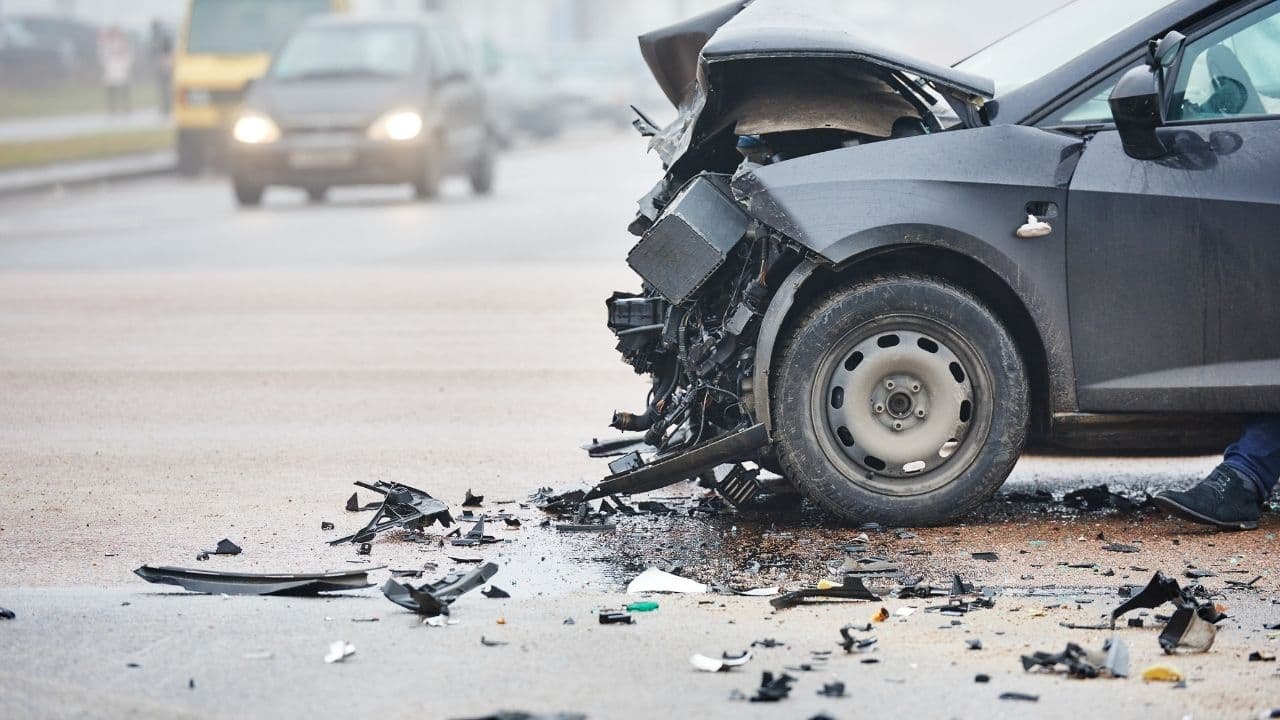
A series of fatal road accidents in Sunsari district during February 2026 has once again spotlighted the chronic road safety crisis plaguing the eastern Tarai, particularly along the high-traffic Itahari–Dharan corridor and connecting highway networks. With the March 5, 2026 general election just days away (as of February 26, 2026), these tragedies—claiming multiple lives in quick succession—have fueled public outrage and calls for urgent reforms, even as the issue remains largely sidelined in national campaign rhetoric.
The incidents underscore a pattern of preventable deaths on roads that serve as vital arteries for commerce, commuting, and connectivity in Koshi Province. Heavy vehicle traffic (trucks hauling goods from border points to hill districts), intercity buses, scooters, motorcycles, cyclists, and pedestrians share narrow, poorly regulated stretches, often under conditions of poor visibility, weak enforcement, and inadequate infrastructure.
Key Fatal Incidents in February 2026
- February 17, Itahari main chowk: A 40-year-old cyclist, Kumar Shrestha from Sundarharaicha Municipality in neighboring Morang district, was struck and killed by a truck (registration Province 1-02-002 Kha 0592) traveling toward Dharan around 5:50 p.m. The impact was fatal at the scene. District Police Office spokesperson DSP Chandra Bahadur Khadka confirmed the truck driver, 27-year-old Dil Bahadur Magar from Tehrathum, was detained for investigation. Shrestha's body was sent to BP Koirala Institute of Health Sciences (BPKIHS) in Dharan for postmortem.
- Itahari–Dharan road, Panipiya forest section (Itahari Sub-Metropolitan City Ward 20): A head-on collision between a scooter and a bus killed two people—Sujan BK from Birtamod Municipality in Jhapa and his pillion rider Suraj BK. Both sustained severe injuries and succumbed during treatment at BPKIHS. The bus driver, Prem Magar from Belka Municipality in Udayapur, was taken into custody. The Panipiya area has a notorious history of crashes due to limited visibility, sharp alignments, and insufficient reaction space for drivers.
- Chatara-Kanchhi Chowk section, Ramdhuni Municipality-7: A head-on motorcycle collision claimed three lives, including a father and his young son: Inarchan Chaudhary (34), his 9-year-old son Pranish Chaudhary, and Bindhu Yadav (51). Two others were critically injured and rushed to BPKIHS for treatment. (Note: Some earlier reports from mid-2025 reference similar names in a separate Sunsari crash, but the February 2026 details align with the described head-on incident.)
These cases add to ongoing concerns, with additional accidents reported in late February (e.g., separate fatalities involving a tempo and car collision on the Koshi Highway in Itahari-13, killing a pedestrian, and other mishaps claiming lives in Duhabi and nearby areas). BPKIHS in Dharan serves as the primary trauma center for eastern Nepal, handling a heavy influx of road crash victims—particularly in evening hours when fatigue, low light, and speeding compound risks. Hospital sources have long highlighted delays in ambulance response from rural/peri-urban areas, reducing survival odds for the seriously injured.
Why the Itahari–Dharan Corridor Remains Deadly
This approximately 20–25 km stretch links Itahari's bustling commercial hub with Dharan's educational and medical institutions, carrying intense mixed traffic: heavy goods trucks from India border points, buses, local commuters, cyclists, and pedestrians. Contributing hazards include:
- Poor lane discipline and rampant speeding by commercial drivers.
- Minimal or absent pedestrian/cyclist infrastructure (sidewalks, crossings, or dedicated lanes).
- Problematic sections like Panipiya forest with blind curves and poor sightlines.
- Overloading, driver fatigue, and lax enforcement of speed limits or helmet/seatbelt rules.
- Broader provincial issues: inadequate trauma care access, delayed emergency services, and underinvestment in road upgrades despite high daily volumes.
Traffic police and safety advocates have repeatedly flagged this corridor as one of Koshi Province's most hazardous, yet systemic fixes—wider carriageways, better signage, speed cameras, pedestrian overpasses, and stricter commercial vehicle regulations—have lagged.
Political and Public Response
Strikingly, road safety has received scant attention in the heated campaigns for Sunsari's four House of Representatives seats. Rastriya Swatantra Party (RSP) leader Balendra Shah (Balen), during the February 24 Itahari rally, addressed related infrastructure woes by pledging accountability for poor-quality road construction and contractors, but broader traffic management, enforcement, and non-motorized user protections were not central themes. Major parties like CPN-UML and Nepali Congress have focused on industrial revival, water supply, and jobs, with little emphasis on this public health emergency.
Civil society in Itahari and Dharan, along with transport advocates, has urged winning candidates to treat road deaths as a preventable crisis warranting parliamentary priority—comparable to other national urgencies. They call for legislative pushes on stricter enforcement, infrastructure upgrades (e.g., aligning with ongoing East-West Highway enhancements), trauma care investment, and public awareness campaigns.
As Sunsari voters prepare to cast ballots on March 5 amid heightened election security, these recent tragedies serve as a grim reminder: while political discourse fixates on alliances, industrial corridors, and anti-establishment figures like Harka Sampang, everyday dangers on local roads continue to claim lives. Whether the new Parliament will translate frustration into actionable reform remains a pressing question for the district's nearly 581,000 voters and beyond. Safe travels and stricter oversight could prevent the next headline.
About the Author

Routine of Sunsari
Author

Comments (0)
Please login to leave a comment
No comments yet. Be the first to comment!