
Bangladesh's Historic Election: BNP Claims Victory in First Post-Revolution Vote
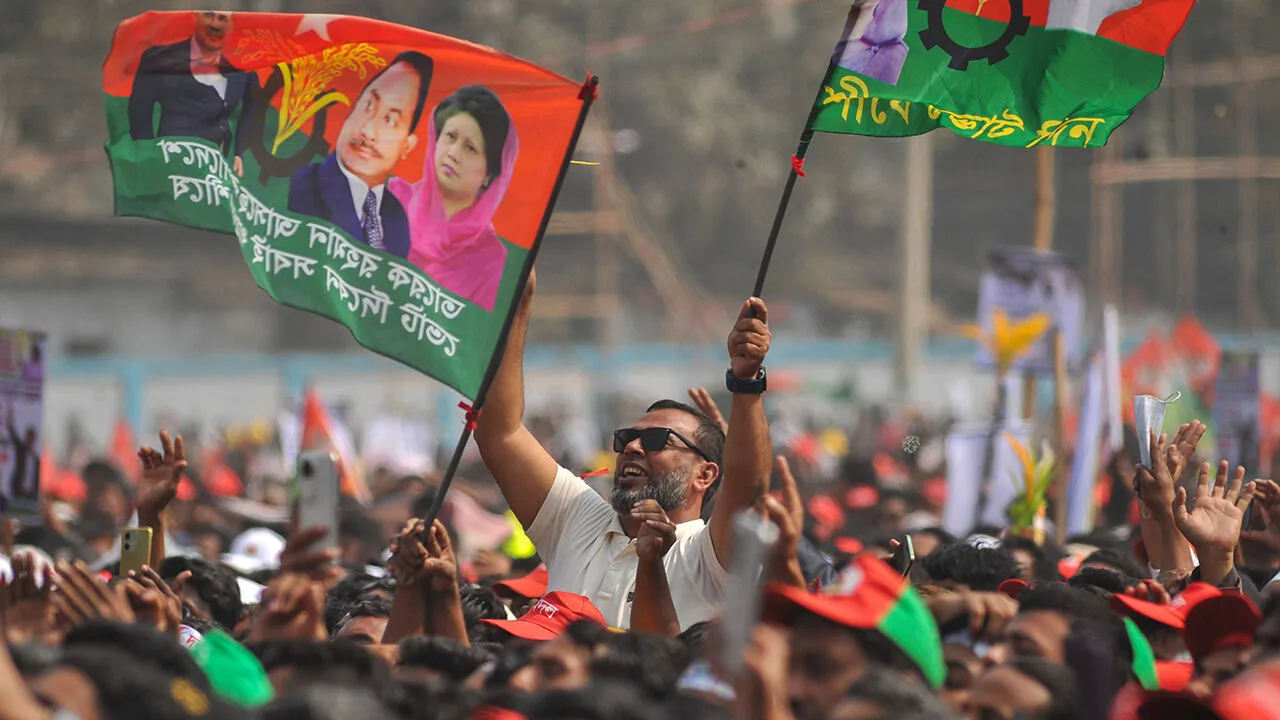
DHAKA, Bangladesh — In a landmark moment for South Asian democracy, Bangladesh held its first widely recognized free and fair elections on February 12, 2026. The vote marks a dramatic political shift following the student-led uprising that reshaped the country’s leadership landscape in 2024.
Bangladesh's Historic Election: BNP Claims Victory in First Post-Revolution Vote
DHAKA, Bangladesh — In a landmark moment for South Asian democracy, Bangladesh held its first widely recognized free and fair elections on February 12, 2026. The vote marks a dramatic political shift following the student-led uprising that reshaped the country’s leadership landscape in 2024.
The Bangladesh Nationalist Party (BNP), led by Tarique Rahman, claimed victory early Friday morning. Projections indicate a decisive win, signaling the end of years of authoritarian governance and political repression in the nation of more than 170 million people.
A Revolutionary Path to the Ballot
According to coverage from NPR and BBC News, the 2026 elections are the culmination of a powerful grassroots movement that began in 2024.
What started as student protests over public sector job quotas quickly evolved into a nationwide pro-democracy movement. Millions joined demonstrations demanding institutional reform, economic opportunity, and political accountability.
The movement’s scale and persistence ultimately led to a transition of power and the scheduling of fresh elections.
Election Day and Early Results
Preliminary figures from the Bangladesh Election Commission show voter turnout reaching approximately 78 percent, exceeding expectations.
International observers, including representatives connected to the United Nations and other global organizations, monitored polling stations nationwide. Most reports described the process as orderly and transparent.
Reporting from Associated Press indicated that Tarique Rahman voted in Dhaka early Thursday, describing the moment as a restoration of public voice and democratic participation.
The BNP campaign centered on:
-
Economic revitalization
-
Anti-corruption enforcement
-
Institutional reform
-
Youth employment expansion
-
Attracting foreign investment
International Reaction
Global responses were measured but positive.
Statements from Western governments welcomed the peaceful conduct of the vote. The European Union signaled that future diplomatic and trade relations would reflect the new government’s commitment to human rights and democratic standards.
India, Bangladesh’s largest trading partner and regional neighbor, congratulated the Bangladeshi public on the election’s completion. The outcome is expected to influence cooperation on trade, border security, and refugee issues.
Challenges Facing the New Government
While celebrations filled parts of Dhaka, the incoming administration inherits significant economic and institutional challenges.
Economic Pressures
Inflation reportedly reached 9.2 percent in late 2025, straining household purchasing power. Foreign exchange reserves have declined, raising concerns about import financing.
The garment sector, which drives roughly 80 percent of export earnings, faces reduced global demand.
Institutional Reform
Years of centralized governance weakened public trust in key institutions. Reforming the judiciary, civil service, and law enforcement agencies will be essential to restoring credibility.
Corruption
Transparency rankings have consistently placed Bangladesh among nations struggling with systemic corruption. The BNP has pledged to create independent enforcement mechanisms.
Youth Expectations
The student activists who energized the 2024 movement now expect concrete policy change. Managing these expectations will be critical to maintaining stability.
Student Leaders Enter Parliament
Several prominent student organizers ran as independent candidates and secured seats in the Jatiya Sangsad, marking a generational shift in national politics.
Their presence reflects a broader transformation in civic engagement and political participation.
Regional Implications
Bangladesh holds strategic importance in South Asia. As one of the world’s most populous nations, its political direction affects regional stability.
The country balances economic relationships between India and China. Chinese investment through infrastructure initiatives has expanded significantly in recent years, while India remains a key trade and security partner.
How the new administration navigates these relationships will shape regional diplomacy.
A Defining Moment
As vote counting continued, celebrations erupted across Dhaka and other major cities. Citizens waved national flags and expressed hope for a more open political future.
Bangladesh’s history includes military interventions, political violence, and cycles of centralized rule. A peaceful electoral transition represents a significant milestone.
While one election does not guarantee permanent democratic consolidation, high participation and relative stability indicate strong public engagement.
As Tarique Rahman prepares to form a government, expectations remain high. The coming months will determine whether the 2024 uprising becomes a lasting democratic turning point.
For now, Bangladesh marks a new chapter. The deeper work of strengthening institutions begins next.
e Rahman, BNP victory, Bangladesh democracy, student revolution, South Asia politics, Dhaka, democratic transition
About the Author

Routine of Sunsari
Author

Comments (0)
Please login to leave a comment
No comments yet. Be the first to comment!